
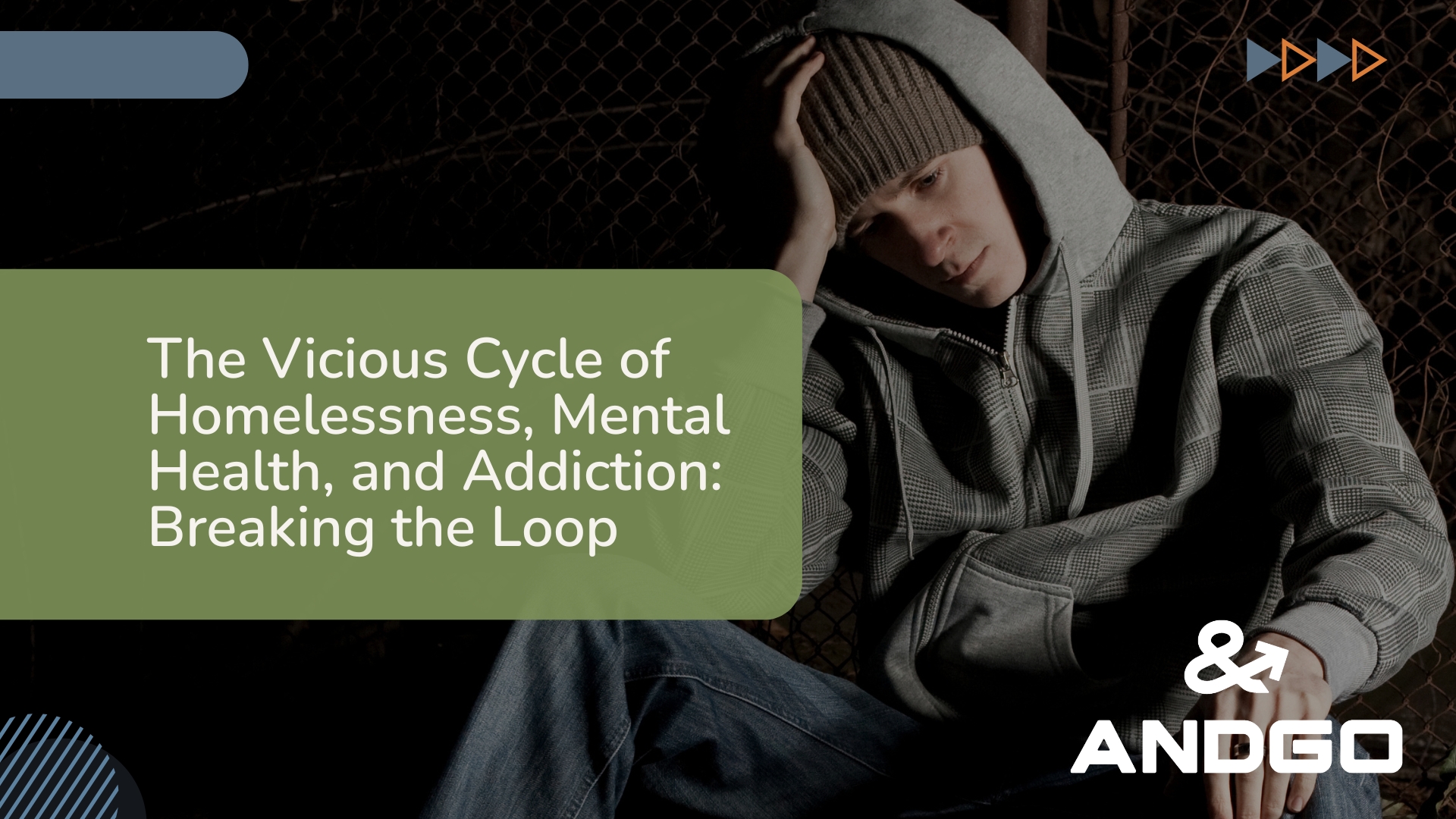
Homelessness, mental health issues, and addiction are deeply intertwined, creating a vicious cycle that is difficult to escape. Mental illness and substance use disorders can contribute to homelessness. At the same time, the harsh realities of living without stable shelter can worsen both conditions. Understanding this cycle is crucial for developing effective solutions that address housing instability, mental well-being, and addiction recovery.
How Mental Health Issues and Addiction Lead to Homelessness
Many homeless individuals struggle with mental health disorders like depression, anxiety, schizophrenia, and PTSD, often compounded by substance use disorders. In fact, it’s estimated that nearly 20% of the homeless population has a serious mental illness. Nearly 15% battle substance abuse. Without proper treatment and support, these conditions make stable housing hard to maintain. Existing mental health issues and substance use disorders contribute to homelessness through:
- Unemployment and Financial Instability – Mental health challenges and addiction often cause job loss, leading to financial instability and homelessness.
- Lack of Support Systems – Homelessness is an isolating experience. Many with mental illness or addiction lack family or social support, leaving them vulnerable to housing insecurity.
- Barriers to Treatment – Stigma, cost, and logistics often hinder access to mental health and addiction treatment.
How Homelessness Worsens Mental Health and Addiction
Sometimes mental health and substance use issues begin and worsen after an individual becomes homeless. Trauma, extreme stress, and lack of access to care can lead to significant deterioration in mental health and serve as a starting point for substance abuse. Homeless individuals may experience:
- Chronic Stress and Anxiety – The daily struggle for basic necessities such as food, shelter, and safety creates a persistent state of stress, which can trigger or exacerbate mental health disorders and increase substance use as a coping mechanism.
- Exposure to Violence and Trauma – Many homeless individuals experience violence, assault, or other traumatic events, increasing their risk of PTSD and severe anxiety disorders, which can, in turn, lead to increased substance use.
- Substance Abuse as a Coping Mechanism – Many individuals turn to drugs or alcohol to self-medicate mental distress, creating a cycle where addiction worsens their homelessness and overall well-being.
- Lack of Access to Mental Health and Addiction Treatment – Without stable housing, individuals face challenges in receiving consistent treatment, managing medications, attending therapy sessions, or participating in rehabilitation programs.
Breaking the Cycle: Solutions and Support
Addressing the vicious cycle of homelessness, mental health, and addiction requires a multi-faceted approach that integrates housing, healthcare, and community support. Some key strategies include:
Housing First Initiatives
Providing stable housing without preconditions allows individuals to focus on recovery, mental health treatment, and addiction recovery. When people have a safe and stable place to live, they can begin to address the underlying issues contributing to their struggles. Stable housing reduces stress and provides a foundation for engaging in therapy, medication management, and addiction treatment programs. It also creates opportunities to reconnect with support networks and access job training or educational programs. Ultimately, having a secure place to call home empowers individuals to take meaningful steps toward long-term stability and wellness.
Accessible Mental Health and Addiction Services
‘Increasing the availability of low-cost and mobile mental health and addiction services is essential to reaching homeless populations more effectively. Mobile clinics and outreach teams remove barriers by bringing care directly to those in need, reducing the stigma often associated with seeking help. These services should be strategically placed near shelters, food distribution centers, and other locations frequented by at-risk individuals. Partnering with case management programs provides immediate care and long-term support, including housing assistance and addiction recovery. By making care more accessible and adaptable to the realities of homelessness, we can create a more inclusive and effective support system.
Trauma-Informed Care
Many individuals experiencing homelessness have endured significant trauma, including childhood abuse, domestic violence, or the stress of life on the streets. These experiences can intensify mental health challenges and contribute to substance use as a coping mechanism. Implementing trauma-informed care means recognizing these histories and creating an environment that promotes healing rather than re-traumatization. This care model is built on six core principles: safety, trust, peer support, collaboration, and humility. Ensuring that shelters and service providers prioritize these values can help individuals feel secure and supported in seeking help.
Integrated Support Programs
When someone is struggling with both mental health challenges and addiction, they need support that treats both at the same time. Shelters can work closely with mental health professionals and addiction specialists to offer integrated care. Partnering with local providers and community groups improves access to on-site care and essential services.
Community Outreach and Advocacy
Raising awareness and reducing stigma around mental illness, addiction, and homelessness can encourage more supportive policies and programs. Public education campaigns, social media initiatives, and community discussions can help dispel common misconceptions and promote understanding. When communities are informed, they are more likely to support policies that provide funding for mental health and addiction services, as well as housing initiatives. Schools, workplaces, and faith-based organizations can play a role in fostering inclusive conversations that highlight the real challenges people face. By shifting the public narrative and encouraging empathy, we can create a society that prioritizes support over judgment, ultimately leading to more effective and compassionate solutions.
Breaking the Cycle of Mental Health, Addiction, and Homelessness
The connection between homelessness, mental health, and addiction forms a complex and self-perpetuating cycle that requires a compassionate, multi-faceted approach. Without stable housing, individuals struggle to access the mental health care and addiction treatment they need. Likewise, without proper treatment and support, securing and maintaining housing becomes increasingly difficult. Addressing all three issues together is essential for fostering recovery and long-term stability.
Case management plays a crucial role in supporting individuals through this transition. Case managers help coordinate services, advocate for clients, and provide ongoing guidance to ensure people receive the care they need. By offering personalized support and connecting individuals to vital resources, case management helps build stability and fosters long-term success on the path to recovery.
At AndGo, we are committed to breaking this cycle by providing innovative solutions to help case managers connect individuals with the resources they need. Our software enables case managers to bridge the gap between homelessness, mental health care, and addiction recovery with a roster of features designed to make the case management process operate more efficiently. With AndGo, case managers can spend more time in developing client relationships and less time on administrative work. Let us show you how to streamline workflows and improve client outcomes – request a demo to learn more!