
Helping you help others.
Real-world strategies for case managers, leaders, and human services teams— built to support the people doing the work.
Case Management for Housing: A Guide for Working With Homeless Individuals
Helping people move from homelessness to stable housing takes a hands-on, compassionate approach. Ca…
Navigating Resistance and More in Building Relationships With Clients
Efficient, effective case management relies on strong relationships between clients and case manager…
Technology Best Practices in Social Work Case Management
Technology has transformed the social work case management process by removing the manual element fr…

The Impact of Case Management in Cradle-to-Career Initiatives
A family’s resources and the doors they open cast a long shadow over children’s life tra…
The Vicious Cycle of Homelessness, Mental Health, and Addiction: Breaking the Loop
Homelessness, mental health issues, and addiction are deeply intertwined, creating a vicious cycle t…

Overcoming Burnout During the Holidays
It’s no secret that social work case management can be stressful. The challenges that clients face c…
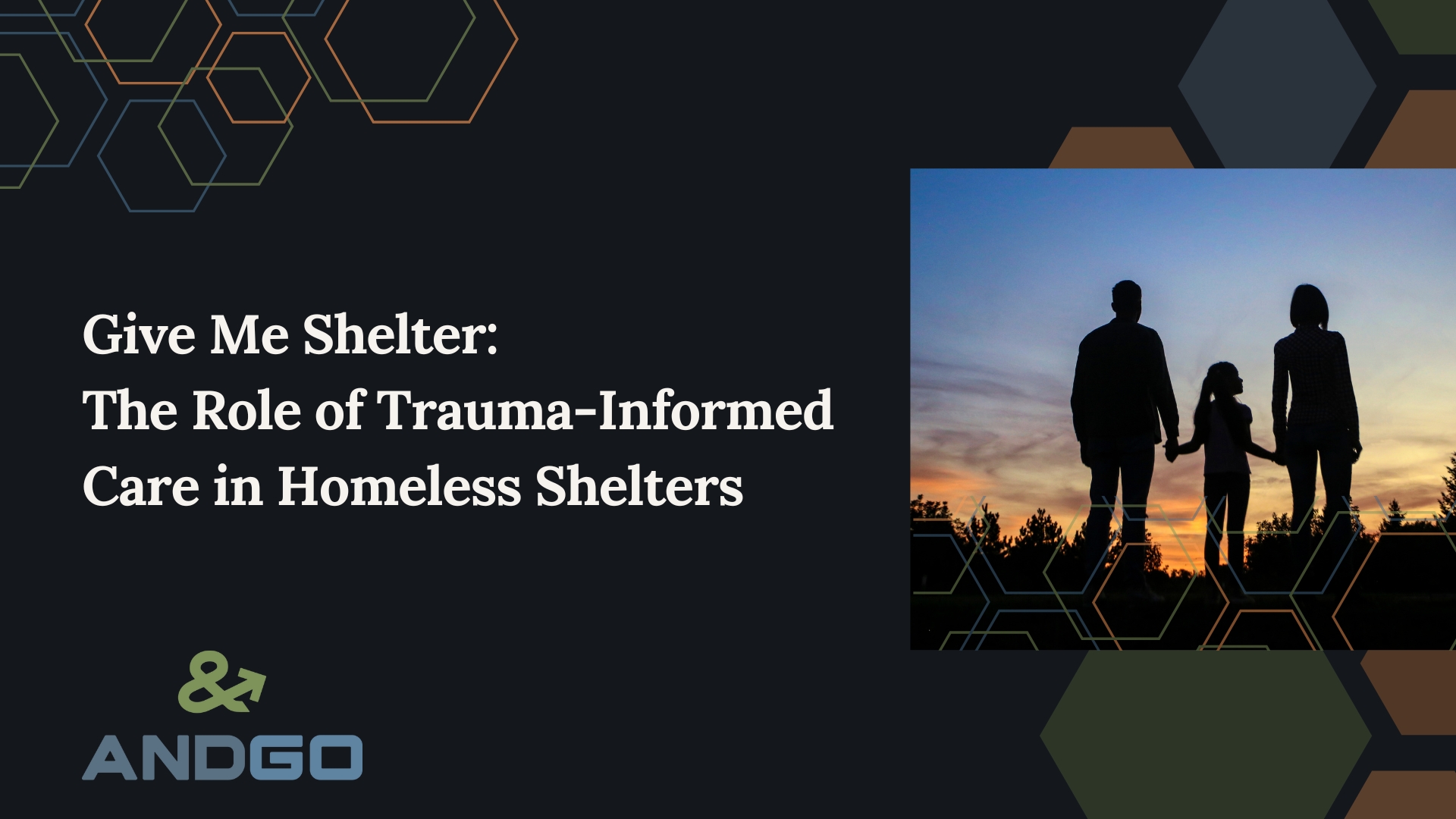
Give Me Shelter: The Role of Trauma-Informed Care in Homeless Shelters
Homelessness often results from a complex mix of factors, including poverty, mental health challenge…

A Case Manager’s Guide to Helping Clients Overcome Learned Helplessness
Learned helplessness — a psychological state in which individuals believe they lack control over the…

Building Trust: The Foundation of Effective Case Management Relationships
Effective social work case management hinges on one critical component: building trust. The cultivat…

How to Ensure Continuity of Care in Case Management
Continuity of care: consistent, coordinated, and comprehensive services delivered over time. In the …

The Role of Case Management in Homeless Shelters: How Structured Case Management Improves Outcomes for Clients
There are dozens of reasons an individual might experience homelessness, and numerous programs desig…
Using Technology to Improve Client Outcomes in Homeless Shelters
Homeless shelters play a crucial role in connecting individuals and families with essential services…
Ready to give your team
more time for people?
See how AndGo works in a short, no-pressure demo.