
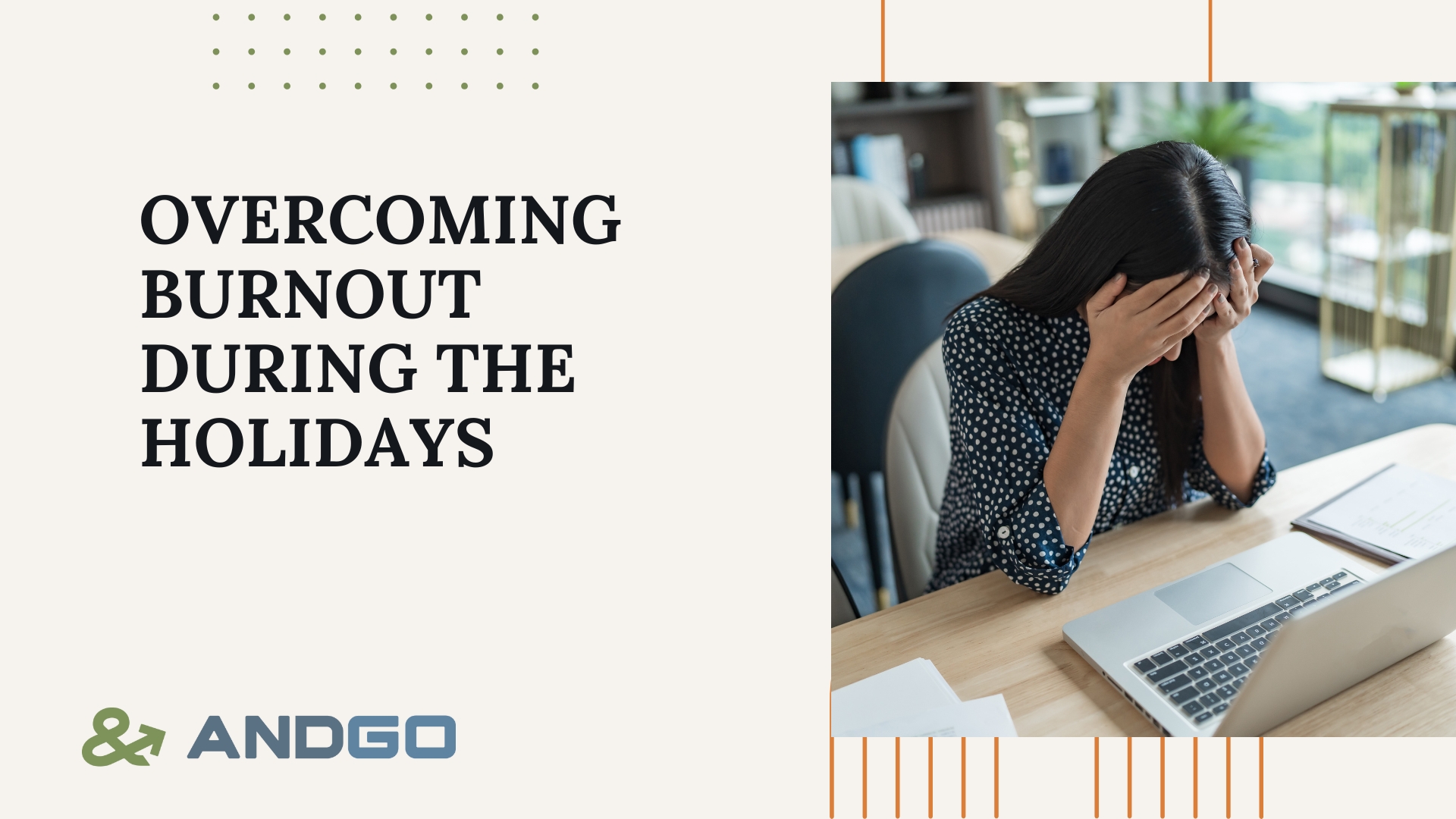
It’s no secret that social work case management can be stressful. The challenges that clients face can happen at any time, and can be exacerbated by special events, such as holidays. The additional pressures that come during the holiday season can stall client progress and upend carefully collaborated goals. Holidays can stir up different types of trauma for individuals and families, especially if a client’s current situation doesn’t line up with the expectations of the season. For care coordinators, these kinds of challenges are an additional layer of stress to navigate. It’s important to take special care to stay ahead of burnout during the holidays.
Causes of Holiday Burnout
Burnout during the holidays can feel a bit different than at other times of the year. The additional pressures and expectations that are a fundamental part of holiday periods take on a different tone in the social work environment. Case managers tend to experience everything doubly – both with their clients and for themselves – during holiday time. These experiences can include:
- Increased Social Expectations – Social activities such as family gatherings and holiday celebrations can create additional demands on an individual’s time and social battery. For those with strained family relationships or social anxiety, this can heighten stress.
- Time Pressure – The increased activity that accompanies the holiday season can create a time crunch that feels overwhelming. Work and family responsibilities typically don’t lessen during the holidays – if anything, they become more pronounced against a backdrop of decorating, shopping, cooking, travel, and special holiday events.
- Financial Pressure – The expectation to buy gifts, give to charitable causes, or otherwise spend outside of a budget is particularly strong during the holidays. Many may feel pressured to overspend, contributing to feelings of inadequacy or guilt.
- Heightened Emotions – The holidays are often a time for reflection. As the year draws to a close, it’s normal to take stock of the year’s successes and disappointments. This activity can trigger feelings of loneliness, grief, or a sense of failure and contribute to unrealistic expectations of a “perfect” holiday.
- Disruption of Routine – Everyday routines of exercise, sleep, and work schedules can get upended during the holiday season, resulting in increased stress, poor dietary choices, and inconsistent health habits. Traveling or hosting large gatherings can contribute to physical exhaustion, sensory overload, and even illness.
Additionally, case managers may experience a heavier workload due to year-end processes and preparations for a new year. Social work doesn’t take a break during the holidays – quite the opposite, in fact. Social workers are on the front lines, helping others to manage and overcome their troubles, which can feel multiplied during festive occasions.
Recognizing Burnout During the Holidays
It can be hard to separate the challenges and stress that clients experience during the holiday season from personal challenges and stress. The combination of the two experiences can cause a case manager to feel overwhelmed, contributing to burnout.
Burnout happens in stages, and it’s important to recognize the signs of burnout before the stages progress. Care coordinators who are experiencing burnout may exhibit:
Emotional exhaustion – A buildup of emotions that don’t get the opportunity to be discharged or processed can result in feeling emotionally drained. Emotional exhaustion can look different from person to person. Some may describe it as feeling all emotions at the same time while others may feel no emotions at all.
Reduced job satisfaction – Burnout can negatively affect an individual’s view of their job. Occupational stress, left unchecked, can result in feelings of low accomplishment, professional failure, and apathy. Individuals who feel unsatisfied in their work may be unable to offer appropriate assistance or guidance, resulting in poor outcomes for clients.
Increased irritability or cynicism – Social work involves repeated contact with individuals in various levels of crisis. It’s not uncommon for care coordinators to experience compassion fatigue, which can affect their ability to appropriately respond to clients. Burnout can cause individuals to wonder what impact they actually have on others’ lives.
Physical symptoms like fatigue or headaches – Left unchecked, burnout can move beyond the emotional experience and produce physical issues. Fatigue and headaches are common, but other, more subtle problems can arise, as well. Individuals in constant burnout may experience chest pain, gastrointestinal issues, and increased vulnerability to infection and illness.
Strategies for Overcoming Burnout During the Holidays
For care coordinators, it’s important to take a step back during the holidays and recalibrate. Overcoming burnout during the holidays is possible, but it takes deliberate effort. These strategies can help individuals to not only recover their energy and enthusiasm for their work, but also enable them to more fully participate in and enjoy the holiday season.
Self-Care – This might seem obvious, but it’s notoriously difficult to do. Prioritize personal well-being through regular breaks, exercise, and mindfulness practices.
Set Boundaries – When there seems to always be one more visit to make, one more call to answer, one more meeting to set up, it’s easy to let the line between work and home get blurred. Clearly define work hours and avoid bringing work into personal time.
Lean Into the Season – This might seem counterintuitive, but pursuing activities and experiences that are unique to the season can help counteract some of the overwhelm. Being fully present during seasonal activities, knowing that they are short-lived, provides much-needed respite from the everyday challenges of social work.
Peer Support – Care coordinators who feel supported in the work environment are less likely to feel burnout when schedules get overloaded. Foster connections with colleagues for emotional support and shared experiences.
Organizational Support – While peer support is extremely helpful, support at the organizational level is crucial for overcoming burnout. Advocate for resources or programs that promote staff well-being during peak times.
Professional Development – Engaging in training or workshops on managing stress and maintaining resilience as well as learning new skills and material can better prepare an individual for upcoming challenges. Use the holiday period to investigate educational opportunities for the coming new year.
Preparing for a New Year
Addressing burnout during the holidays is essential for starting a new year with renewed confidence and energy. While burnout at other times of the year may primarily stem from ongoing work or personal stress, holiday burnout is unique due to the convergence of emotional, social, and financial pressures, combined with disrupted routines and heightened expectations. These factors make holiday burnout particularly intense and emotionally charged compared to burnout in other seasons.
Client care during the holidays can benefit from digital solutions for case management. AndGo can help alleviate much of the burden of manual case notes, goal setting and tracking for clients, and more. We’d love to show you how it works – request a demo to learn more!